Safer Sleep in Early Years Settings
What the evidence from England and the UK tells us about safer sleep, and what it means for every baby who sleeps in your setting.
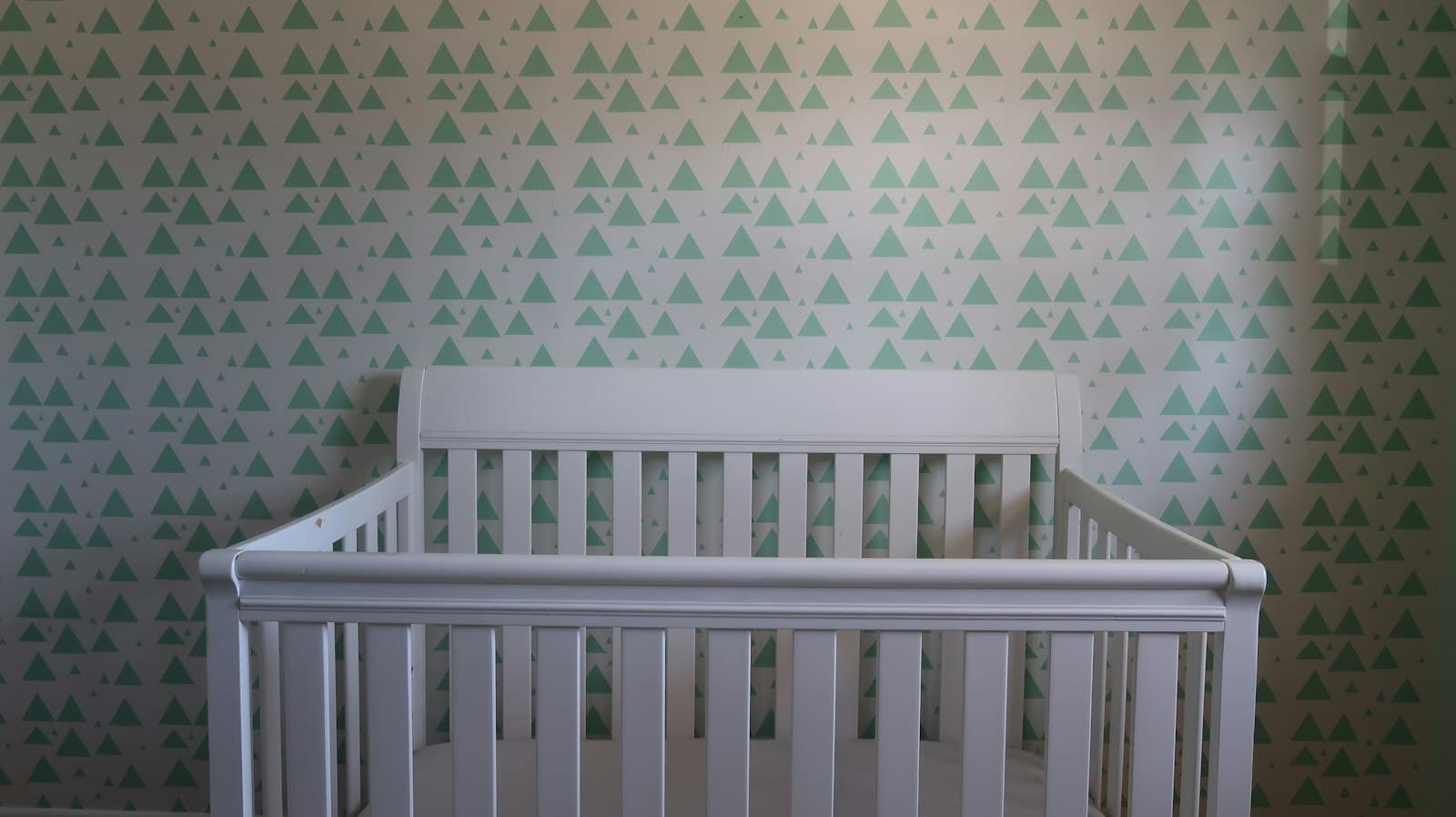
Safer sleep is a fundamental part of safeguarding babies in any setting where they sleep. For early years practitioners, the importance of safe-sleep practice is particularly clear because sleep takes place away from the child's usual home environment and may involve several different adults. The strongest UK evidence does not suggest that nurseries are inherently dangerous places for infant sleep; rather, it shows that the sleep environment and the way an infant is positioned, covered and supervised can materially affect risk.
The evidence from England
Some of the most influential research into sudden unexpected death in infancy (SUDI) was conducted in England through the Confidential Enquiry into Stillbirths and Deaths in Infancy (CESDI) studies. The main CESDI SUDI case-control study covered five former Health Regions in England, representing approximately 17.7 million people, and examined 325 sudden infant deaths alongside 1,300 control infants. The research examined infant care practices and the sleeping environment in considerable detail (Blair et al., 2006; Blair et al., 1999).
This English evidence is important for nurseries because it identifies practical aspects of the sleep environment that practitioners can control: sleep position, bedding, temperature, smoking exposure and the circumstances in which an infant is sleeping.
1. Always place babies on their backs to sleep
The evidence from England strongly supports placing babies on their backs (supine) for sleep. A population-based study in Avon found that the reduction in prone sleeping during the period surrounding the UK 'Back to Sleep' campaign was associated with a substantial fall in sudden infant death. The researchers concluded that supine sleeping was the safest position (Wigfield et al., 1992).
A later CESDI study involving three regions of England also found increased risk associated with both prone and side sleeping compared with supine sleeping (CESDI, 1996). The findings support a simple nursery rule: unless there is a specific medical instruction, babies should be placed on their backs for every sleep.
2. Keep the sleep space clear and manage bedding carefully
Research from Avon and Somerset found that prone sleeping and heavier wrapping were associated with increased risk of sudden unexpected infant death. Heating the room throughout the night was also associated with increased risk (Fleming et al., 1990). This is consistent with the wider UK evidence that bedding and thermal conditions are important components of the infant sleep environment.
For nursery practice, this supports keeping cots clear of unnecessary soft or loose items and avoiding excessive layers. Practitioners should follow the setting's current safer-sleep policy and the statutory EYFS requirements.
3. Treat each baby's sleep routine as individual